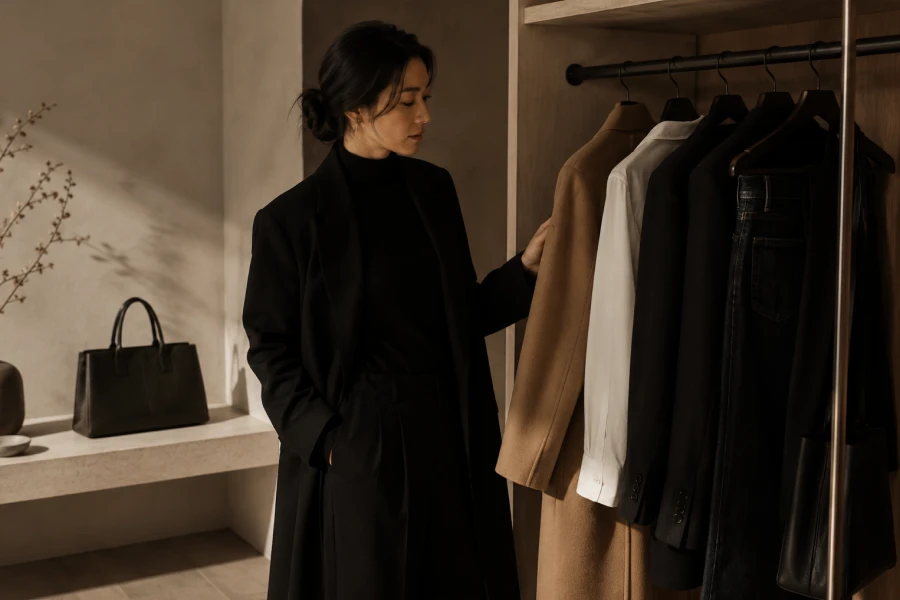
A closet becomes easier to use when its strongest pieces create dependable visual structure. Timeless wardrobe essentials provide that structure without demanding a rigid uniform or neutral personality. Their value comes from repeatable fit, useful proportion, and compatibility with many different moods. They allow a dramatic shoe, unusual sleeve, or seasonal color to feel grounded. Without those anchors, every expressive purchase must solve the entire outfit alone. That pressure often leads to combinations that look exciting online but feel awkward in motion. Carefully chosen wardrobe essentials with neutral basics give newer ideas somewhere believable to land. It also reduces the need for emergency purchases before ordinary plans. The goal is not owning prescribed classics that suit somebody else. It is identifying reliable clothes that quietly support the way you already live.
Stability begins when several garments share a clear relationship in line and scale. Straight trousers, a clean jacket, and a simple knit can create one dependable framework. Another person may rely on fluid skirts, cropped cardigans, and softly shaped dresses instead. Neither foundation is more timeless than the other without context. Longevity depends on whether the pieces remain comfortable, flattering, and useful across changing routines. Examine shoulder placement, rise, hem length, and fabric recovery before focusing on labels. A well-cut piece continues working because its construction respects your body and movement. Trend cycles may alter styling, but good proportion retains its quiet authority. This is why neutral basics should never mean careless or generic basics. Their restraint makes quality, texture, and fit more visible, not less important.
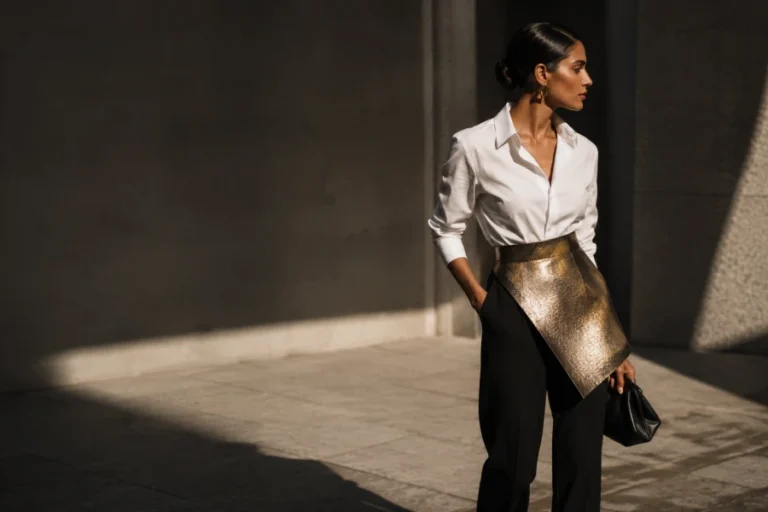
Strong foundations make statement items easier to evaluate before purchase. Place the potential accent beside three dependable outfits rather than imagining a completely new wardrobe. If it improves each combination, the item probably offers genuine flexibility. A sculptural bag can sharpen simple tailoring, while patterned trousers can enliven a familiar knit. The foundation absorbs some visual intensity, allowing the accent to remain interesting without becoming costume. This relationship also protects versatile outfits from feeling predictable or overly safe. Choose one dominant detail, then let clean supporting pieces frame its shape or color. When several accents compete, remove the least meaningful one rather than adding another solution. Editing creates confidence because the eye understands where attention should rest. The final look feels current, but it remains connected to clothes you trust.
A useful palette does not need to exclude saturated color or unusual combinations. It simply needs enough repetition to help garments recognize one another. Start by identifying two dark anchors, two light anchors, and several favorite accent shades. These colors can appear in different fabrics without looking identical or overly planned. Texture changes how color behaves, which adds depth inside a limited range. Navy silk feels different from navy denim, even when the hue remains related. Add trends through shades that either harmonize with your anchors or challenge them deliberately. Random color can create confusion, while intentional contrast produces energy. Keep a photograph of your most successful combinations for future shopping decisions. A visible palette prevents attractive pieces from becoming isolated after the excitement of purchase fades.
Different settings rarely require completely separate wardrobes when the foundations are well chosen. A refined trouser can move from work to dinner through shoes, jewelry, and layering. A simple dress can feel casual beneath knitwear or polished beneath structured outerwear. The key is selecting pieces that tolerate styling changes without losing their shape. Fabric weight matters because very delicate or very formal materials narrow practical options. Consider how garments respond to sitting, walking, weather, and repeated laundering. Useful foundations make transitions smoother because they preserve comfort while details shift. They also strengthen fashion confidence by reducing uncertainty before unfamiliar occasions. Instead of buying a single-purpose outfit, adjust the level of polish around a trusted base. This approach saves time while keeping personal expression visible across changing expectations.
Longevity improves when care becomes part of styling rather than an afterthought. Steam garments before deciding they feel tired, because wrinkles distort proportion and texture. Replace loose buttons, lift small stains, and reshape knitwear before shopping for substitutes. Tailoring can restore relevance when a hem or waist no longer supports current preferences. Shoes and bags often need conditioning rather than replacement after regular use. These small interventions protect both budget and visual consistency. They also reveal which pieces deserve future investment because they repeatedly earn attention. Careful maintenance turns ownership into an active relationship instead of passive accumulation. A polished foundation makes every trend accent look more considered and expensive. Renewal often begins in the laundry area or tailoring appointment, not at checkout.
The strongest basics continue evolving because their styling context keeps changing. Try a familiar shirt beneath a dress, over a fitted top, or tied above a skirt. Move a jacket between tailored trousers, soft denim, and evening textures. Photograph combinations that surprise you, then repeat them until they feel natural. A strong base should encourage play rather than impose sameness. Explore another approach to low-effort experimentation when your formulas need fresh energy. Newness can come from proportion, layering, and contrast before it comes from consumption. This practice develops sharper taste because you learn exactly why an outfit succeeds. Over time, your closet becomes smaller in confusion and larger in possibility. That is the practical power of essentials chosen for real life.


Leave a comment