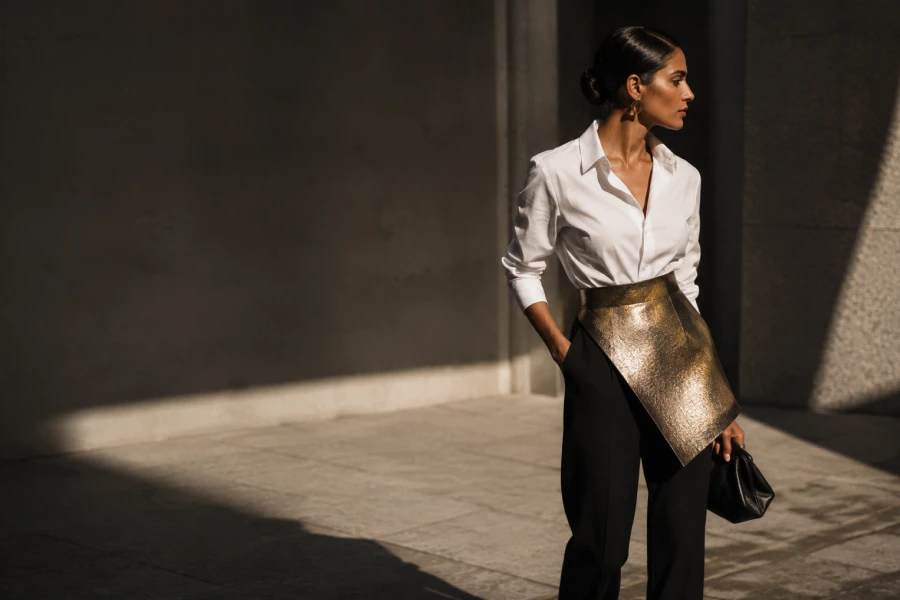
Fashion feels exciting when new ideas enter a wardrobe that already reflects your life. Yet constant novelty can make getting dressed feel noisy, expensive, and strangely impersonal. Mixing trends with basics offers a calmer way to enjoy change without abandoning familiar strengths. The approach begins with observation rather than another rushed shopping trip. Notice which silhouettes make mornings easier and which colors consistently lift your mood. Then treat trend pieces as accents that create energy around those reliable choices. This balance protects individuality because the newest item never controls the entire outfit. It also gives every purchase a clearer purpose before money leaves your account. A thoughtful timeless wardrobe with trend pieces can still feel current, expressive, and open to experimentation. The result is style that evolves naturally instead of restarting every season.
A trend becomes useful only when it speaks the same visual language as your existing clothes. That language might include relaxed tailoring, clean minimalism, romantic detail, or bold graphic contrast. Begin by identifying three pieces that already make you feel composed without much effort. Their shape, texture, and attitude reveal more than a crowded inspiration board ever could. Next, compare a new item against those proven references before bringing it home. The best trend pieces add tension while preserving the character you already enjoy. A sheer blouse can soften structured trousers, while metallic flats can energize simple denim. Avoid buying an entire look that only works when worn exactly as displayed. Instead, choose one element that can move through several combinations with confidence. That filter keeps your wardrobe recognizable even while its details continue changing.
Proportion decides whether an outfit looks deliberate or simply crowded with competing ideas. When one piece carries dramatic volume, the remaining shapes should create a stable visual frame. Wide trousers often feel sharper beside a fitted knit or a clean cropped jacket. An oversized blazer gains clarity over a narrow column dress or straight jeans. Use outfit formulas to repeat this relationship without repeating the same clothes. The formula matters because it separates styling logic from any particular purchase. You can exchange colors, fabrics, and accessories while preserving the underlying balance. Resist combining several exaggerated shapes unless the occasion welcomes theatrical dressing. Everyday outfits usually benefit from one dominant proportion and quieter supporting lines. With practice, contrast begins looking intentional before anyone notices which item follows a trend.
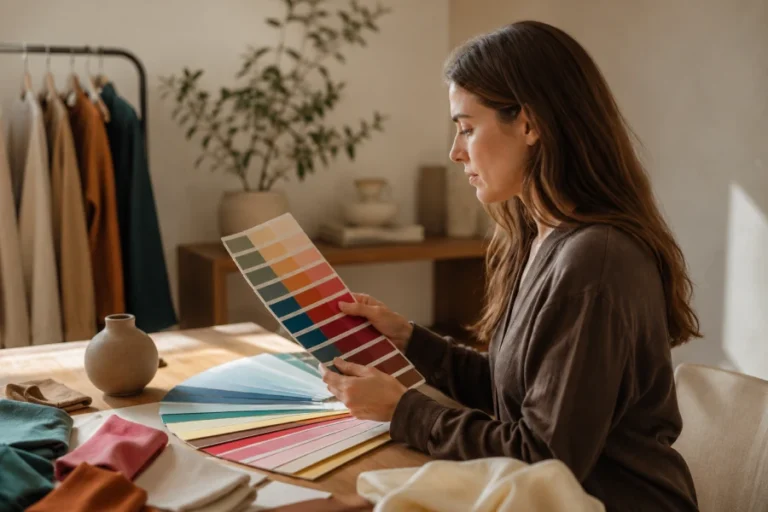
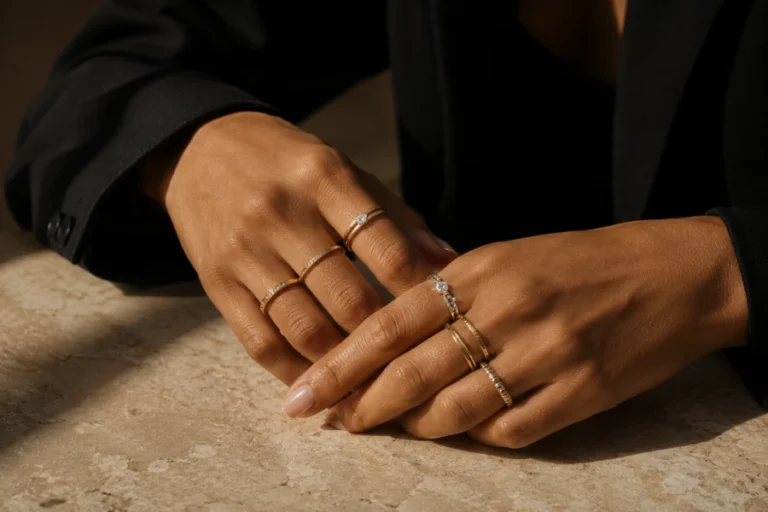
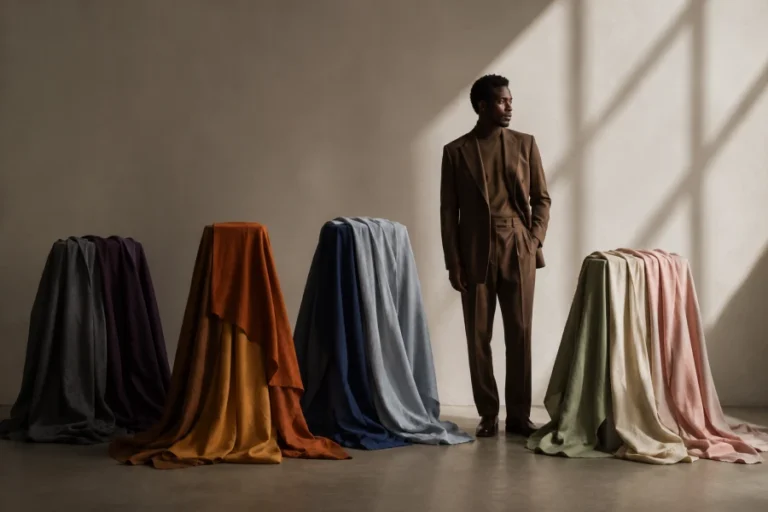
Color can make a recent purchase belong beside clothes you have owned for years. Start with one shade already repeated across shoes, jackets, knits, or everyday accessories. A trend item in that family will connect quickly, even when its shape feels unfamiliar. Neutral colors help, but connection does not require a beige wardrobe. Burgundy, olive, navy, chocolate, and softened blue can behave like flexible foundations. Repeating one color elsewhere creates rhythm without making the outfit look overly coordinated. A small bag, belt, sock, or earring can quietly complete that visual conversation. This technique strengthens personal style because color memory becomes part of your signature. Avoid forcing exact matches, which often feel more rigid than polished. Related tones usually produce greater depth and make older basics appear newly considered.
Real style must survive commuting, errands, changing temperatures, and invitations that arrive unexpectedly. A strong combination should therefore adapt through layers rather than depend on perfect conditions. Test a new look for movement, seating comfort, bag placement, and shoe practicality. If one detail demands constant adjustment, it may not support your actual day. Keep the expressive element, but simplify whatever competes with comfort or attention. For work, a directional shoe can update familiar tailoring without challenging every dress code. Casual plans may welcome a vivid knit, sculptural denim, or a playful proportion instead. Evening outfits can shift through jewelry, texture, and a stronger outer layer. These adjustments make experimentation sustainable because they respect the life surrounding the clothes. Confidence grows when an outfit feels interesting and dependable at the same time.
A successful wardrobe does not require every trend to earn a place inside it. Curiosity works best when paired with selectivity and a clear sense of personal limits. Follow new ideas for inspiration, then wait before deciding whether they deserve your attention. Repeated interest usually signals genuine compatibility, while instant urgency often fades within days. Photograph possible combinations before buying, using clothes you already own as the foundation. This simple exercise exposes items that need an entirely new supporting wardrobe. It also reveals whether the attraction comes from styling, lighting, or the product itself. Choosing slowly leaves room for better fabric, fit, and versatility within the same budget. Style becomes more expressive when purchases answer real gaps rather than social pressure. Restraint is not resistance to fashion; it is a stronger form of authorship.
The most modern wardrobes often look edited rather than endlessly expanded. Rotate expressive pieces so each one has space to influence familiar combinations. Store seasonal items carefully, then revisit them after visual fatigue has passed. A previously bold purchase can feel surprisingly wearable beside a newly simplified base. Repair, tailor, dye, or restyle older clothes before assuming their relevance has ended. These choices reduce clutter while preserving the stories that make clothing emotionally meaningful. Review a deeper look at enduring foundations when your closet needs stronger anchors. Then return to experimentation with clearer standards and fewer distractions. Lasting style comes from attention, not from racing every new arrival. When change supports continuity, getting dressed becomes both easier and more creatively satisfying.

Leave a comment