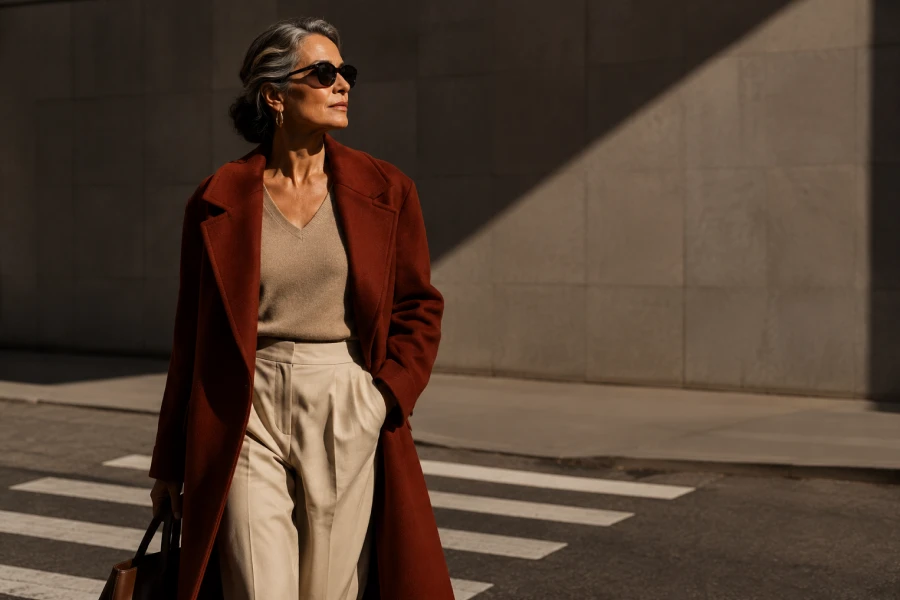
Color becomes stressful when every choice feels like a test with one correct answer. Wardrobe color confidence grows differently, through repeated decisions that produce comfort, recognition, and useful feedback. Rules can offer language, but they cannot replace experience inside real clothing and changing light. A shade may break a seasonal recommendation and still feel completely right in context. Another may appear technically flattering while making the wearer feel disguised or overly cautious. Start with small experiments that preserve familiar silhouettes and styling habits. Discovering flattering clothing colors should expand expression rather than create fear around every imperfect choice. Confidence comes from noticing patterns and trusting the evidence they create. Mistakes become information instead of proof that color is difficult. The wardrobe gradually feels more personal because decisions belong to the wearer, not to an external formula.
Practice creates recognition faster than endless research because the eye learns through comparison. Wear one uncertain shade with a reliable neutral and observe the complete effect. Repeat the color near the face, farther away, and in different fabric textures. Notice whether the problem comes from hue, depth, intensity, placement, or unfamiliarity. Small changes can reveal that a supposedly wrong color only needed a softer material. Keep successful experiments visible so they can enter regular rotation. Repetition reduces self-consciousness and allows the outfit to feel natural. Ask how you move and behave in the color, not only how it looks while standing still. A supportive choice often changes posture, expression, and willingness to be seen. Those responses provide meaningful evidence that no swatch system can fully capture.
Preference can hide beneath fear when a person has avoided noticeable color for years. Begin by separating dislike from concern about attracting attention or making a mistake. Hold the shade beside familiar clothing and imagine it in a realistic outfit. If excitement appears before anxiety, the color may deserve a controlled trial. Use a scarf, knit, bag, or inexpensive layer before committing to a major purchase. Consider cultural associations and personal memories that influence the emotional response. Some resistance comes from past comments rather than present visual reality. Other colors genuinely feel disconnected from identity and need no further justification. The distinction matters because confidence does not require wearing every flattering option. It requires understanding why a choice feels right or wrong for you.
Repeatable outfits turn abstract color knowledge into dependable evidence during busy mornings. Build three combinations around one successful shade and photograph each version. Change the level of contrast, the supporting neutral, and the placement of the color. A useful formula might pair a colored knit with denim, tailoring, and a tonal skirt. Another may repeat an accent through shoes, earrings, or lipstick. These variations create style confidence because success no longer depends on one exact outfit. Keep the strongest formula accessible during travel, important events, or uncertain shopping periods. Familiar structure makes a bolder color feel easier to wear. Over time, the formula becomes a flexible pattern rather than a safety uniform. Confidence increases when reliable choices still allow visible personality.
Photographs reveal color relationships from a distance and reduce the intensity of mirror-based self-criticism. Use consistent natural light and avoid filters that alter skin or fabric tones. Capture the entire outfit, then take one closer image of the face. Compare several options side by side instead of judging one photograph alone. Notice which colors support facial definition and which dominate the whole frame. Also observe whether the outfit communicates the mood you intended. A technically harmonious shade may still feel too formal, sweet, severe, or quiet. Review images later when immediate emotions have settled. Save successful examples in one folder for future shopping and outfit planning. Objective comparison becomes easier when the evidence is organized rather than remembered vaguely.
Experimentation works best when it protects a stable base of colors that already earn frequent wear. Introduce one new direction at a time and pair it with reliable shapes. Avoid buying several versions before the first item proves useful across ordinary life. Use smart color shopping to compare new shades against photographs and garments you trust. Return items that require repeated persuasion or unusually specific styling. Keep unexpected successes, even when they sit outside your current palette. Curiosity should create options without destabilizing the entire wardrobe. A measured approach preserves budget while allowing taste to become more adventurous. Confidence needs room for surprise, but it also benefits from clear boundaries. Selective experiments create stronger evidence than rapid, trend-driven accumulation.
Personal evidence becomes powerful when it records both visual results and emotional response. Keep brief notes about compliments, comfort, repeat wear, and easy combinations. Review those patterns before following another universal rule or online diagnosis. Revisit the observation methods behind practical color analysis when your evidence feels inconsistent. Changes in lighting, hair, makeup, or garment texture may explain the conflict. Allow the palette to evolve as lifestyle and identity continue changing. Confidence does not mean certainty about every shade before trying it. It means trusting your ability to test, interpret, and adjust without panic. Each successful decision strengthens that ability more than memorizing another category description. Eventually, color becomes a creative resource rather than a source of hesitation.


Leave a comment