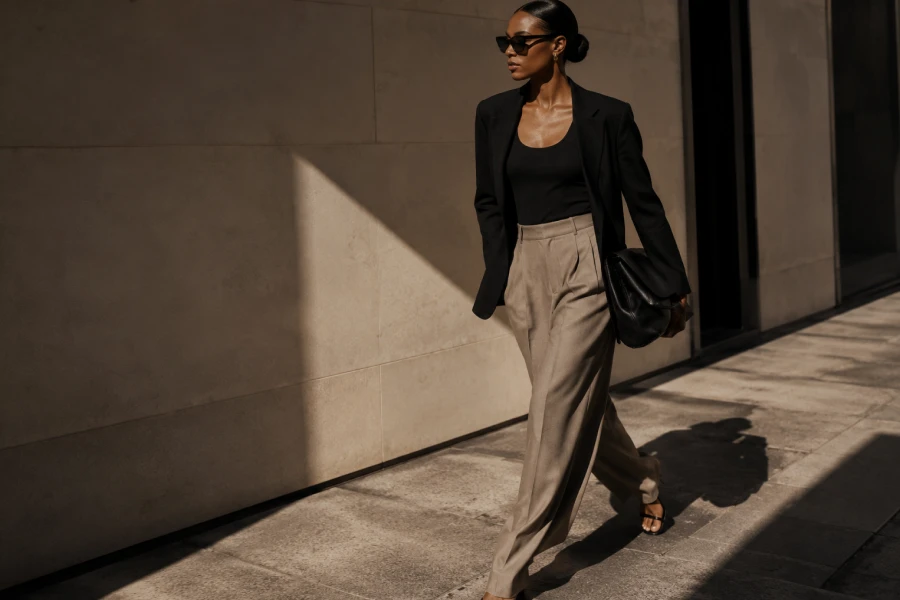
The easiest-looking outfits usually come from deliberate decisions made before the final mirror check. Effortless trend styling does not mean wearing whatever happens to be clean or convenient. It means reducing unnecessary choices until one fresh idea can communicate clearly. Start with a dependable silhouette, then introduce a single directional element that changes its attitude. That element might be color, texture, proportion, footwear, or an unexpected accessory. Everything else should support the message rather than compete for equal attention. A thoughtful modern wardrobe makes this process faster because its pieces already cooperate. You spend less time rescuing combinations that never had a stable foundation. The finished look appears relaxed because the structure remains almost invisible. Ease becomes a result of editing, not a substitute for intention.
Editing works when you understand the difference between interest and distraction. Interest gives the eye a clear place to pause, while distraction creates several unfinished conversations. Put on the complete outfit, then remove one item before evaluating balance. If the look becomes stronger, that piece was adding noise rather than personality. Pay attention to competing hardware, repeated statement shapes, and several unrelated textures. One bold choice often appears more luxurious when quieter elements surround it. This does not require minimalism, because richly layered outfits can still have hierarchy. The question is whether every detail contributes to one coherent impression. Practice this pause before leaving home instead of adjusting endlessly throughout the day. A decisive final edit develops fashion confidence more reliably than accumulating more options.
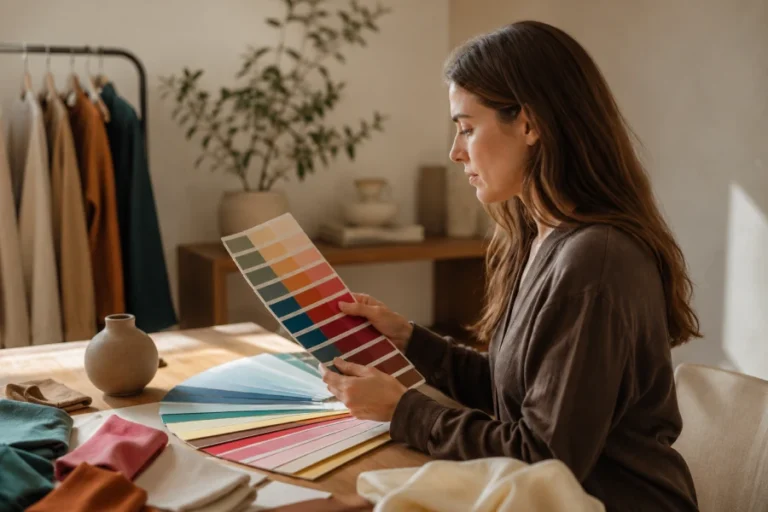
An outfit becomes easier to build after you choose the emotional direction first. Decide whether you want to feel polished, playful, relaxed, romantic, or sharply modern. Then select a familiar base that already supports that intention. A tailored trouser suggests control, while fluid denim can create a more casual rhythm. Add the trend detail only after the foundation communicates most of the mood. This sequence prevents a new item from dictating clothes that do not suit your life. It also helps you notice when admiration does not equal compatibility. Some trends belong in inspiration folders rather than personal closets. That distinction protects money, space, and the clarity of your existing style. Dressing becomes faster because every choice answers a specific emotional and practical goal.
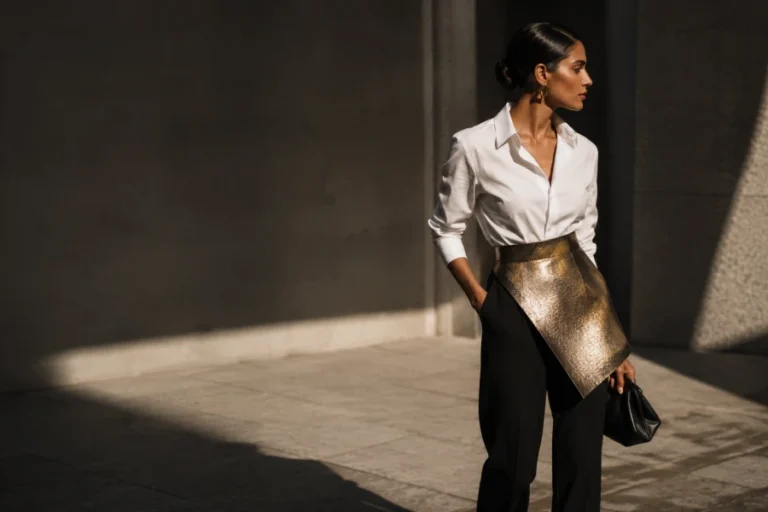
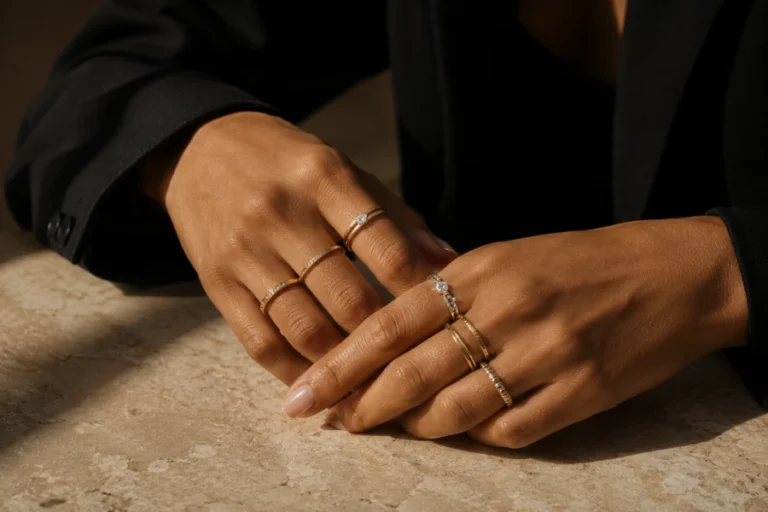
Accessories can update familiar clothes quickly, but they can also create instant visual congestion. Choose one accessory category to lead, then let the others remain quieter. A sculptural earring may need only a simple bag and understated shoe. Bright footwear can carry the outfit while jewelry stays delicate and tonal. When hardware appears throughout the look, repeat one metal family for subtle connection. Scale matters too, because several oversized accents can overwhelm a smaller silhouette. Use accessories to sharpen the outfit rather than explain every trend at once. This method supports an intentional closet because small pieces work across many combinations. Store accessories visibly so forgotten options can reenter rotation before another purchase happens. A restrained finishing strategy often makes the entire outfit feel more expensive.
Repeating a successful formula creates consistency, not boredom, when surface details continue changing. Keep the same proportion and exchange the fabric, color, or level of polish. A fitted top with wide trousers can move from knitwear and denim to silk and tailoring. A column dress with a cropped layer can shift through jackets, cardigans, and lightweight shirts. These frameworks reduce decision fatigue while leaving generous space for personal variation. They also help difficult trend items integrate faster because the surrounding structure feels familiar. Document three formulas that reliably earn compliments or make movement feel easy. Use those notes when planning travel, shopping, or preparing for busy weeks. Repetition builds recognition, and recognition often becomes a signature. The wardrobe starts feeling coherent without looking frozen in one season.
Comfort is not separate from style because discomfort changes posture, expression, and attention. Test unfamiliar shapes at home before trusting them during a long day. Sit, reach, walk, carry a bag, and layer outerwear over the complete outfit. A beautiful sleeve loses value if it constantly catches or restricts movement. Shoes should support the distance and surfaces your plans actually require. Fabrics need enough resilience for heat, transit, and ordinary friction. Choosing comfort does not mean avoiding drama or accepting bland design. It means selecting drama that cooperates with the body wearing it. This practical filter makes experimentation repeatable instead of exhausting. Clothing looks most effortless when the wearer can forget about managing it.
Personal pace matters because trend awareness should never become a deadline. Observe an idea across several weeks and notice which versions continue attracting you. Save combinations, identify the shared feature, and ignore the surrounding marketing urgency. Sometimes the real appeal is a color or proportion already available in your closet. Recreate the feeling before purchasing the exact product. This process develops taste through interpretation rather than imitation. Review the balance between novelty and continuity when a new trend feels difficult to place. Your best experiments will connect with existing habits while introducing one useful surprise. Over time, selectivity creates more freedom because fewer purchases demand justification. Style feels effortless when change happens by choice instead of pressure.

Leave a comment